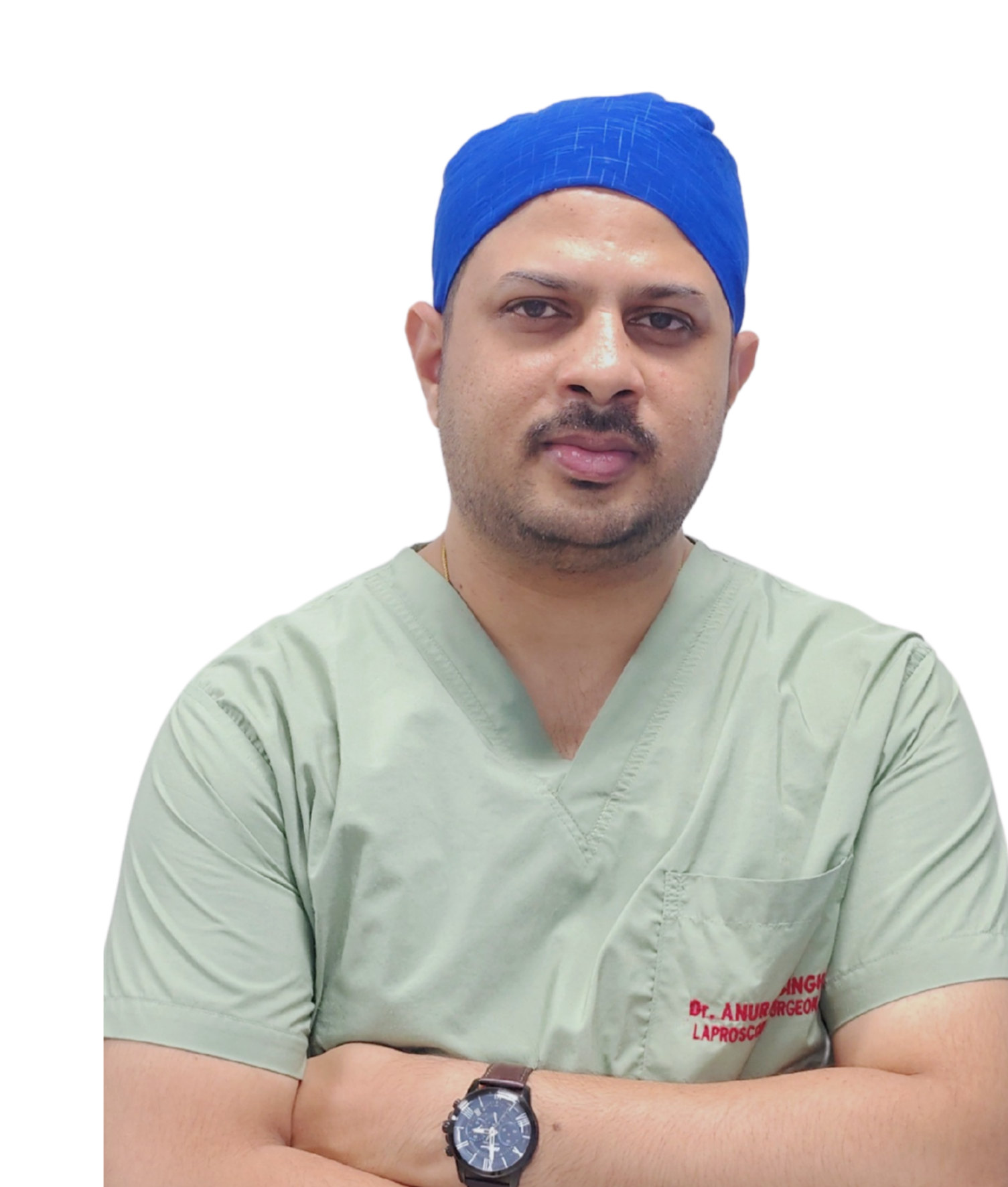
Dr. Anurag Singh brings fellowship-level minimal-access surgical expertise to Varanasi — specialising in bariatric, hernia and gastro-intestinal laparoscopic procedures at Adarsh Hospital.
Dr. Anurag Singh is a laparoscopic and bariatric surgeon practising at Adarsh Hospital, Varanasi. His training in minimal-access surgery is certified by two of the field's most recognised fellowships — FIAGES (Fellow of the Indian Association of Gastrointestinal Endo Surgeons) and FMAS (Fellow of Minimal Access Surgery).
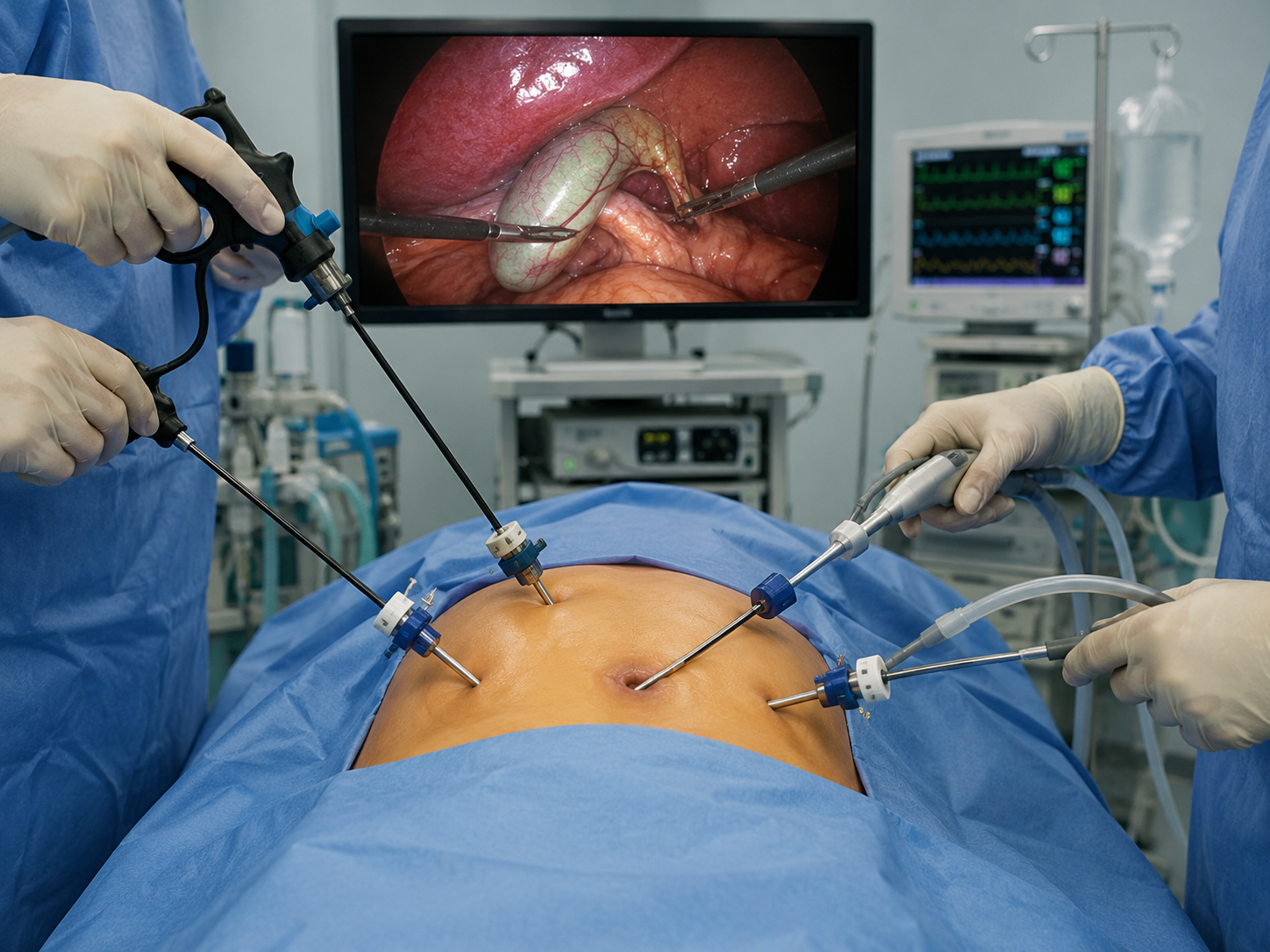
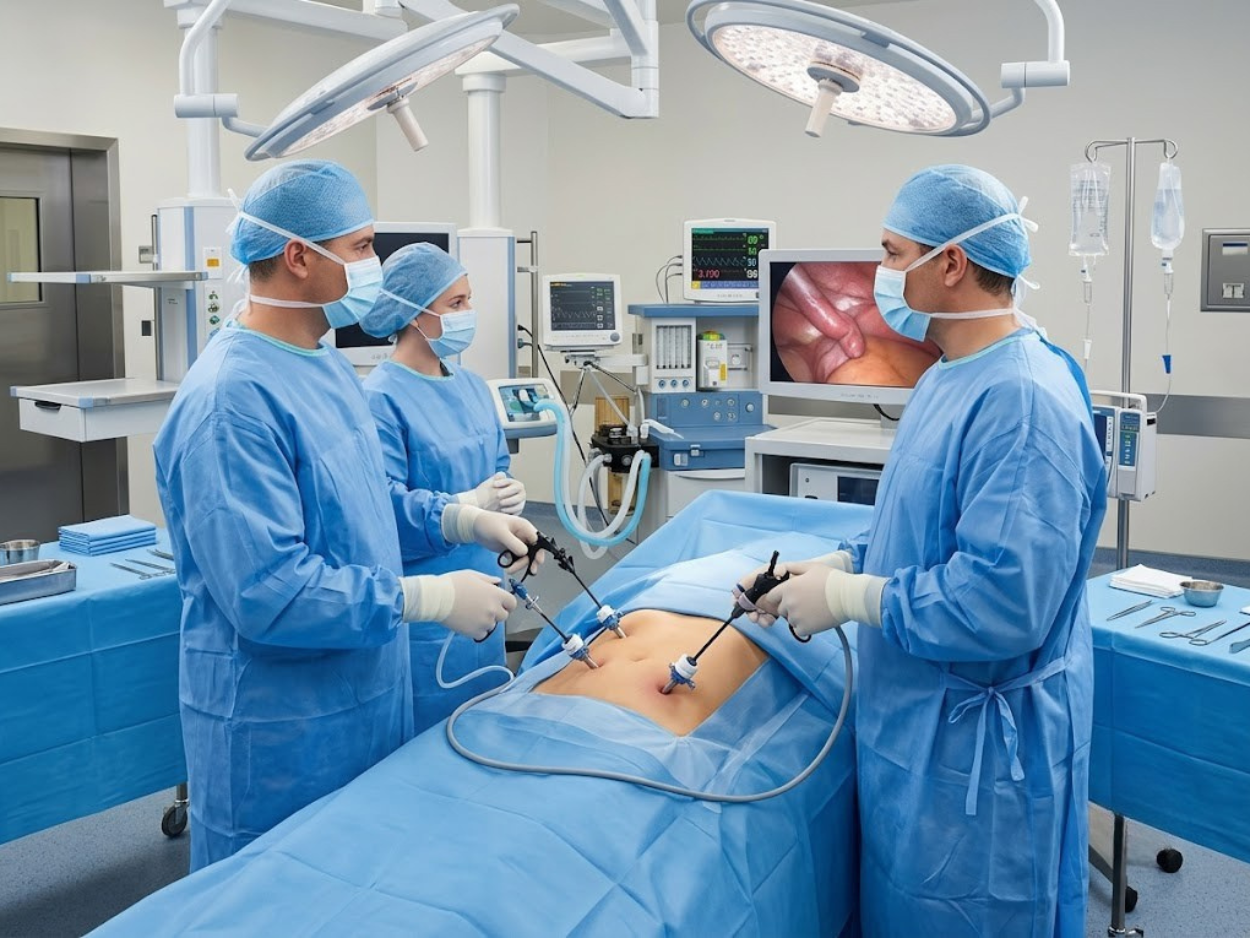
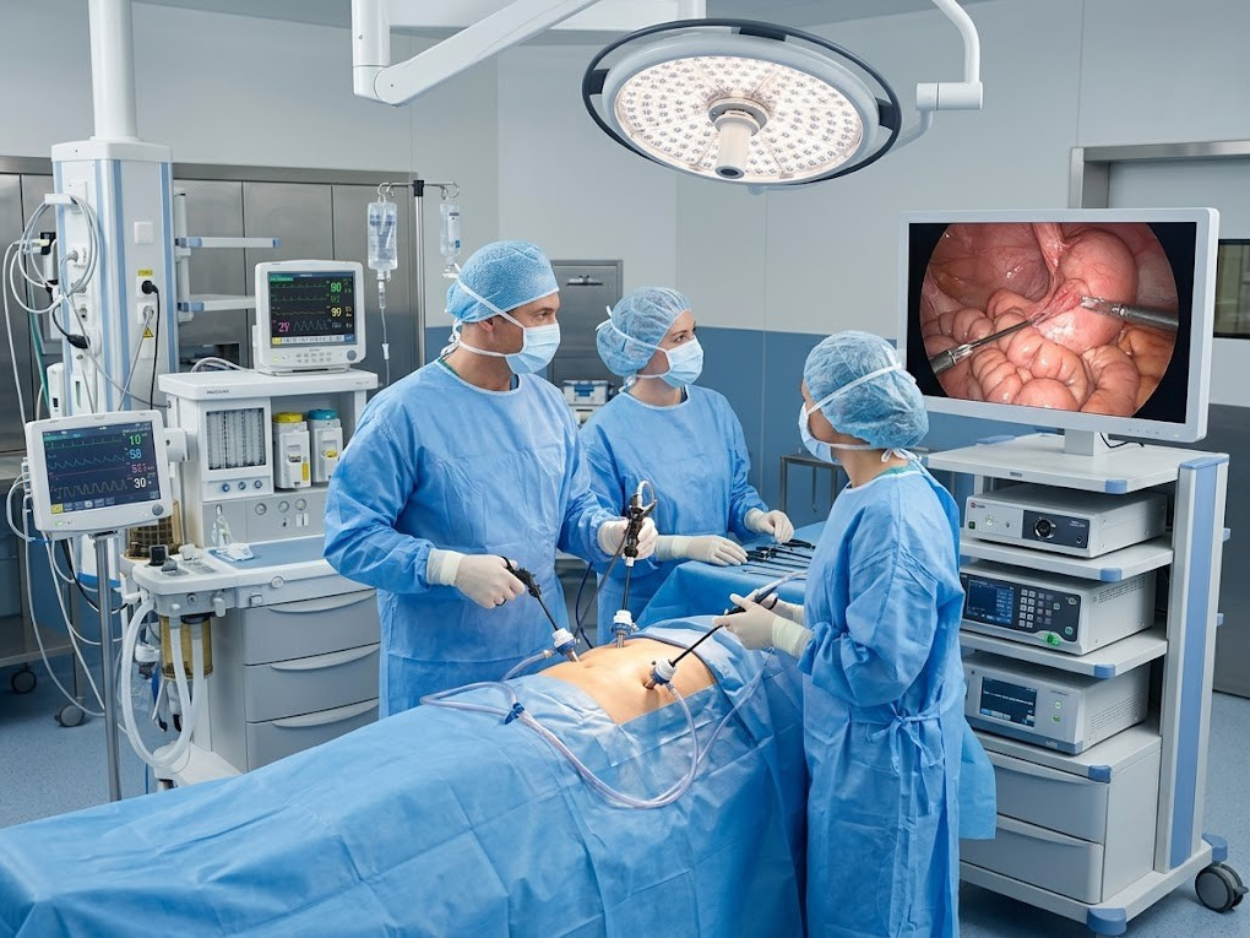
His practice centres on keyhole surgery — procedures performed through a handful of small incisions instead of one large cut — which for most patients means less pain, a shorter hospital stay, and a faster return to daily life.
Every consultation starts with listening: understanding the patient's health history, expectations and concerns before recommending a surgical plan, so the decision to operate is always an informed one.
Minimal-access procedures across bariatric, hernia and general GI laparoscopic surgery.

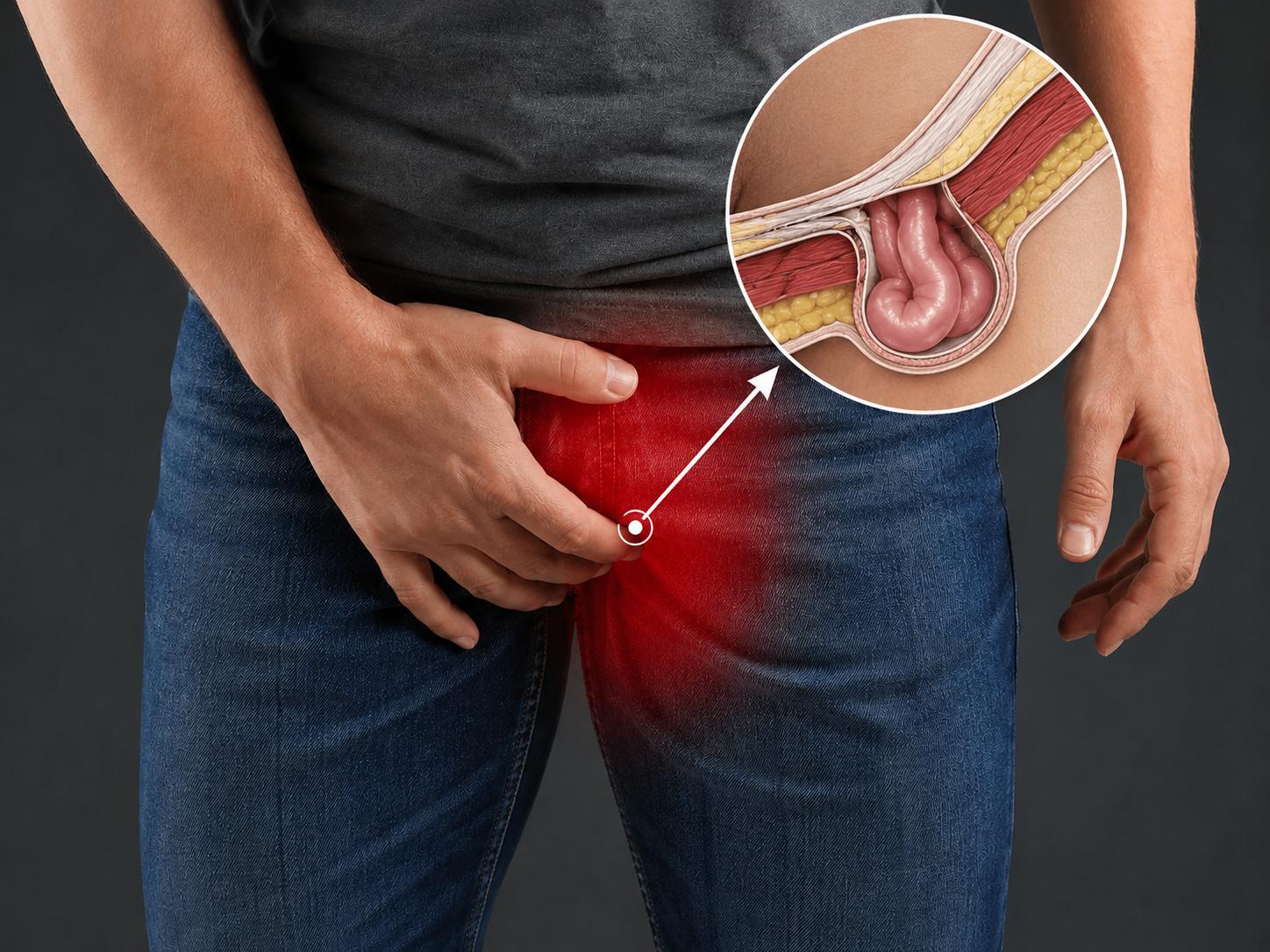
Fixes a bulge or weakness in the groin area. The protruding tissue or intestine is pushed back into place, and the abdominal wall is reinforced with a surgical mesh.

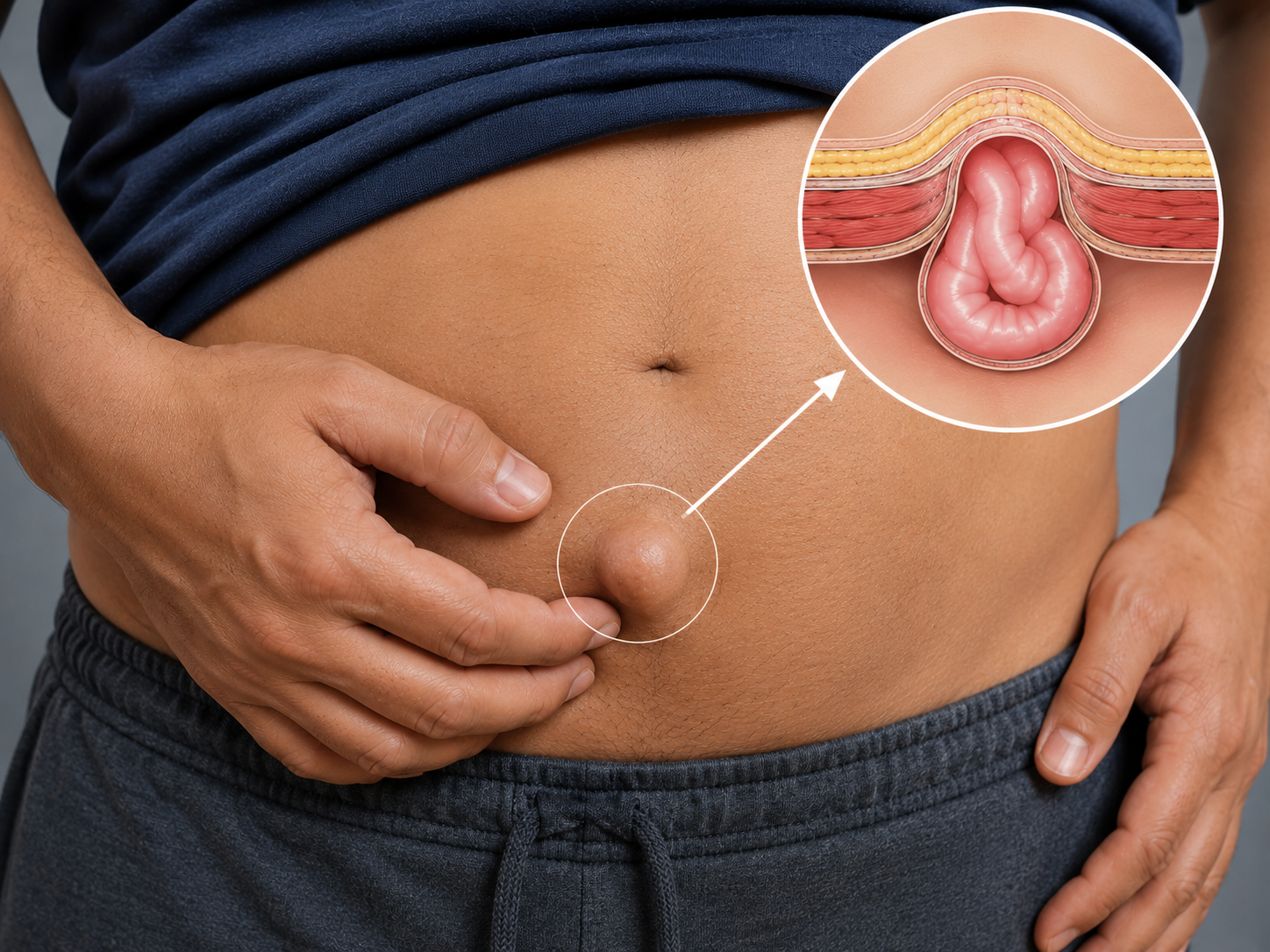
Treats a hernia located near or at the belly button (navel). It involves repairing the weak abdominal muscle layer, usually using a mesh to prevent recurrence.

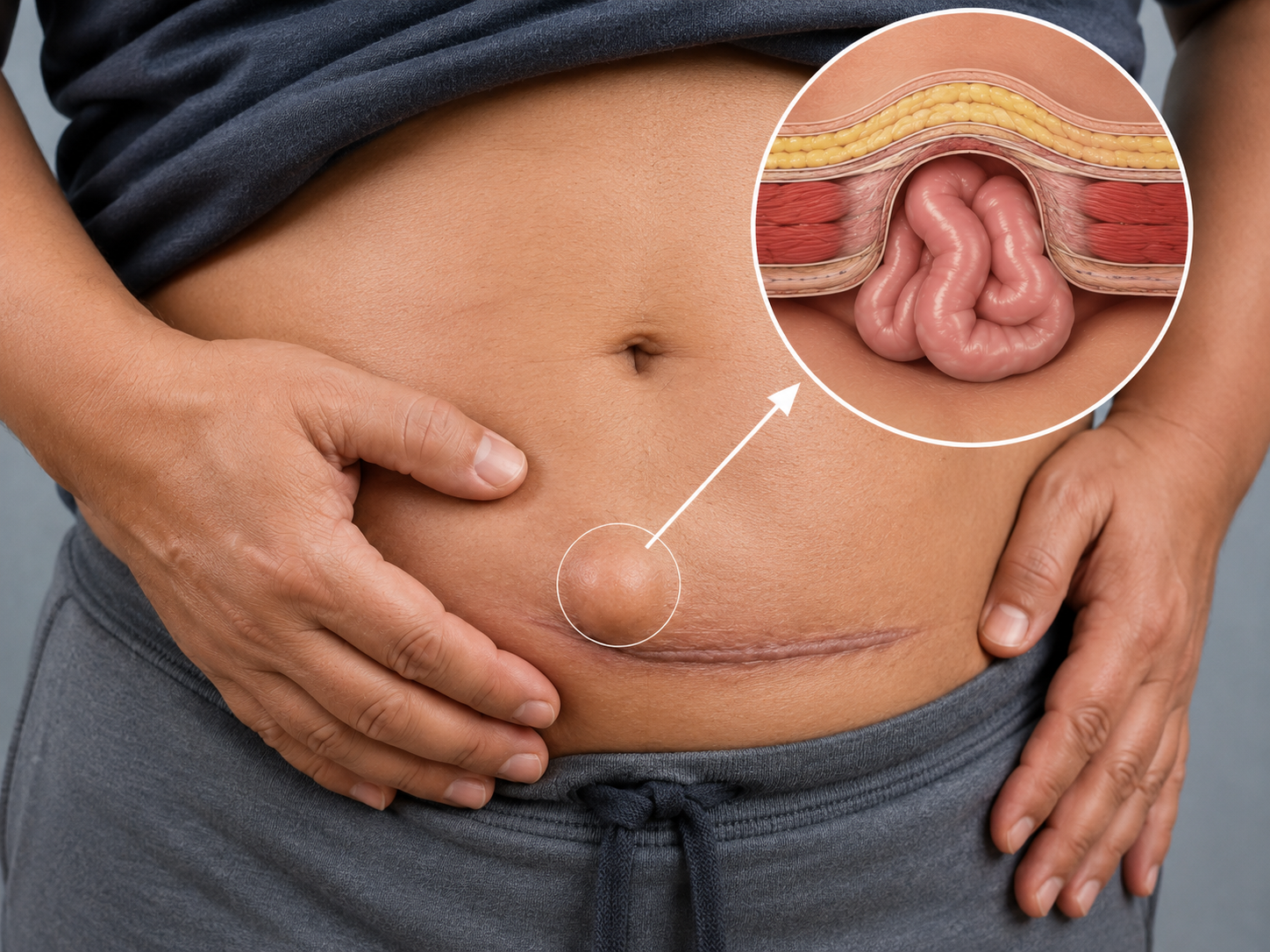
Repairs a hernia that forms at the site of a previous surgical scar where the abdominal wall has weakened over time.

A minimally invasive procedure to remove the gallbladder (typically due to gallstones or inflammation) through small incisions using a tiny camera and specialized instruments.

A minimally invasive surgical procedure to quickly and safely remove an infected or inflamed appendix (appendicitis) through small abdominal cuts.

High-precision, minimally invasive surgery using keyhole techniques to treat complex diseases of the gastrointestinal tract, including the stomach, intestines, and liver.
Bariatric surgery is considered for patients with severe obesity, or obesity combined with conditions it worsens — after other approaches have not achieved lasting results.
Structural change to the digestive system supports weight loss that's easier to sustain long-term.
Can meaningfully improve type 2 diabetes, high blood pressure and sleep apnoea in eligible patients.
Performed laparoscopically — smaller incisions, less post-operative pain, quicker mobilisation.
Surgery is one part of the plan; nutrition and follow-up support continue well beyond discharge.
Eligibility generally depends on BMI and the presence of obesity-related conditions such as diabetes or hypertension. This is confirmed through an in-person consultation and evaluation.
Most laparoscopic procedures involve a short stay of one to a few days, depending on the surgery performed and individual recovery.
Because incisions are small, post-operative pain is typically lower than open surgery, and most patients mobilise within a day.
Recovery timelines vary by procedure — this is discussed individually during your consultation and post-op review.
Call +91-95598-01971 to schedule an appointment at Adarsh Hospital, Varanasi.